
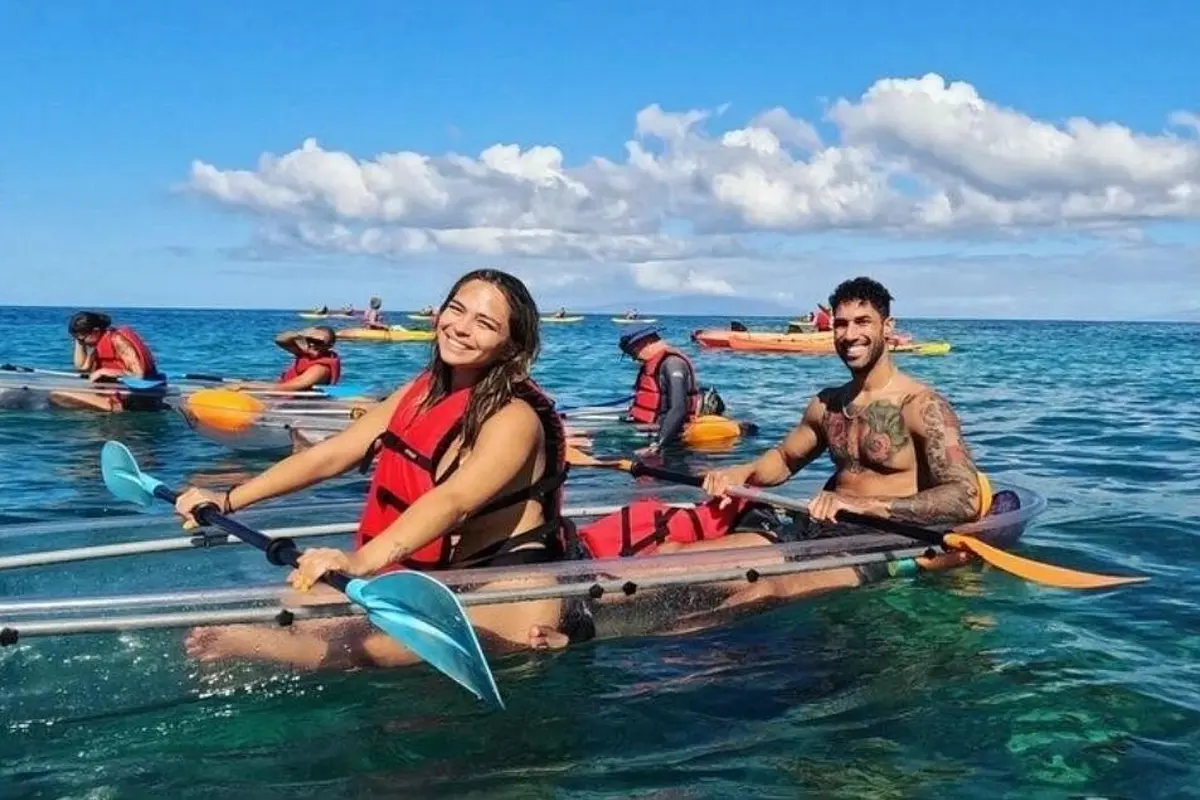
The best time to visit Turtle Town is a calm morning with good visibility and no active beach, surf, weather, or water-quality warning. Early morning is usually the most practical window because parking is easier, heat is lower, and Maui's regular trade winds often become stronger later in the day.
That is a planning pattern, not a safety guarantee. Morning water can still be rough, murky, or affected by swell and current. The best day is the one when current conditions suit your ability, even if that means changing your reservation or choosing a beach day instead of snorkeling.
Choose a time of day · Compare seasons
Quick answer: Plan a morning visit, check conditions again that day, and inspect the shoreline before entering. There is no month that guarantees calm water, clear visibility, or turtles. A guided tour gives visitors more help interpreting the conditions, but the guide or captain may still change or cancel the plan.
What “best” should mean
The best time is not simply the warmest hour or the month with the fewest clouds. For Turtle Town, a good window combines:
- Manageable wind and surface chop
- Small enough waves for the selected entry
- Comfortable current and a realistic return route
- Useful underwater visibility
- No high-surf, storm, water-quality, or closure warning
- Enough parking and daylight
- A plan that matches the weakest swimmer in the group
Wildlife is not part of the guarantee. Sea turtles live and move throughout the coastal habitat. A calm, well-planned visit can still produce no turtle sighting, while seeing a turtle does not make unsafe water acceptable.
Best time of day
Early morning
Early morning is usually the first choice for shore snorkeling, kayaking, and small-boat trips in South Maui.
Advantages often include:
- Lighter wind before the typical afternoon increase
- Smoother surface conditions on many days
- Better parking availability at Maluaka Beach and Makena Landing
- Lower heat and sun exposure
- More time to change plans if conditions are unsuitable
- Morning departure schedules for many guided tours
The drawback is that an early alarm can encourage people to enter simply because they made the drive. If the water looks rough, murky, fast-moving, or difficult to exit, do not treat the time invested as a reason to continue.
Midmorning
Midmorning can still work when wind and waves remain manageable. Sun higher in the sky may improve the brightness over the reef, but parking and beach use normally increase.
This window makes sense when:
- The forecast remains stable
- The shoreline is still calm enough for the group
- The entry and exit remain easy to identify
- You are not relying on an empty parking lot
Afternoon
Afternoon snorkeling is less reliable as a default plan. Trade winds and local sea breezes can increase surface chop, reduce comfort, complicate kayak travel, and make the return swim more tiring. Clouds, runoff, or stirred sand can also reduce visibility.
An afternoon can still be suitable on a calm day, especially for a supervised or captain-led activity, but assess the actual conditions instead of assuming the morning pattern will continue.
Sunset and night
Do not use sunset as the start of an independent Turtle Town snorkel. Fading light makes it harder to monitor the shoreline, swimmers, vessels, current, and the planned exit. Night snorkeling should be limited to a properly organized guided experience with the equipment, lighting, surface support, and procedures required for the activity.
Time-of-day comparison
| Time | Typical planning advantage | Main concern | Best fit |
|---|---|---|---|
| Early morning | Often lighter wind, easier parking, lower heat | Early does not guarantee calm water | Most shore, kayak, and boat plans |
| Midmorning | Brighter light and a comfortable start | More people, parking pressure, possible rising wind | Flexible groups on stable days |
| Afternoon | Convenient after other activities | Wind, chop, heat, and less recovery time | Condition-dependent guided plans |
| Sunset or night | Different marine experience | Low visibility and specialized risks | Organized night tour only |
Best season for Turtle Town
Turtle Town can be visited year-round, but no season removes the need for a day-of condition check.
Winter: roughly November through March
Winter brings Maui's humpback whale season and popular morning boat trips. Air and water remain warm by mainland standards, but North Pacific storm systems can generate large surf around exposed parts of the island. South Maui may be calmer than north-facing shores on some days, yet wraparound swell, local wind, storms, and rain can still affect Makena.
Winter advantages:
- Whale activity may add interest to a boat trip
- Comfortable air temperatures
- Many established morning departures
Winter tradeoffs:
- Holiday crowds and parking pressure
- Periods of large swell around Maui
- Rain or storm runoff that can reduce water quality and visibility
- Itinerary changes when captains choose a safer site
Spring: roughly April and May
Spring can offer a useful balance of visitor demand, warm conditions, and good morning opportunities. However, wind patterns vary and a favorable month does not predict a particular day.
Spring advantages:
- Often a practical shoulder-season choice
- Warm water and long daylight
- Potentially lighter demand outside school and holiday periods
Spring tradeoffs:
- Strong trade-wind periods can still occur
- Late-season north swell or early south swell may affect selected coasts
- Wildlife remains unpredictable
Summer: roughly June through September
Summer is popular for family travel and warm-water recreation. South swell can affect south-facing shorelines, including the Makena coast, and regular trade winds may strengthen later in the day.
Summer advantages:
- Warm air and water
- Long daylight
- Convenient travel season for families
Summer tradeoffs:
- South swells can make a normally approachable entry rough
- Busy beaches, parking lots, and tours
- Strong sun and heat exposure
- Afternoon wind and chop
Fall: roughly October and early November
Fall can bring quieter travel windows between major holidays, but it is also a transition period. Swell direction and weather patterns can change, and tropical-weather systems remain part of the broader regional risk.
Fall advantages:
- Possible crowd relief outside holidays
- Warm water
- Flexible availability on some dates
Fall tradeoffs:
- Variable weather and swell
- Shortening daylight
- No guarantee of calmer conditions
Season comparison
| Season | Potential advantage | Condition to watch | Planning advice |
|---|---|---|---|
| Winter | Whale season and comfortable mornings | Storms, north swell, rain, holiday demand | Keep an alternate date or activity |
| Spring | Shoulder-season balance | Variable trade winds and changing swell | Favor a flexible morning |
| Summer | Warm water and long daylight | South swell, crowds, heat, afternoon wind | Check south-shore surf carefully |
| Fall | Warm water and possible quieter weeks | Transition weather and variable swell | Recheck conditions close to the visit |
There is no universally best month for Turtle Town. A calm Tuesday in one season can be better than a rough day in the month that a travel calendar labels “ideal.”
Wind matters more than the forecast icon
A sunny weather icon does not describe the ocean. Wind can create surface chop, push a kayak off course, increase the effort needed to swim back, and make it hard for a snorkeler to lift their head and communicate.
For planning:
- Check the National Weather Service marine forecast, not only a general weather app.
- Look at both sustained wind and expected gusts.
- Note whether conditions are forecast to build during the activity.
- Treat a comfortable outbound direction as only half the route. You must still return.
- Cancel or shorten the plan before fatigue begins.
The regular tendency for wind to increase later is why morning is preferred. Local conditions can depart from that pattern.
Swell direction and wave period
Wave height alone does not tell the full story. Swell direction determines which coast receives the energy, and a long-period swell can create powerful sets even when the water between them looks manageable.
For South Maui, pay close attention to south and southwest swell. A north or west swell can also wrap into protected-looking areas depending on direction and size.
At the beach:
- Watch several complete wave sets before unloading gear.
- Identify whether the planned sandy entry stays usable through the larger sets.
- Confirm that the exit remains visible and reachable.
- Look for water moving quickly along or away from shore.
- Stay out when the route depends on scrambling over wet rock or coral.
Do not enter during a calm pause without observing what the larger sets do.
Visibility
Clear water improves more than the view. It helps snorkelers see reef, depth changes, other swimmers, and obstacles. Visibility can decline because of waves, stirred sand, rain, runoff, plankton, or nearby activity.
Poor visibility is a reason to change the plan when:
- You cannot monitor the bottom or reef edge
- Your buddy becomes difficult to see
- You cannot judge the approach to shore
- Murky water follows heavy rain or a posted brown-water advisory
- The group would need to swim farther out to find clearer water
Never extend the route solely to chase better visibility.
Weather is not the same as ocean conditions
Use several sources:
| Question | Source to check |
|---|---|
| Are there beach or surf warnings? | Hawaii Safe Beach Day and National Weather Service alerts |
| What are wind, seas, and swell doing? | National Weather Service marine and surf forecasts |
| Is there a water-quality advisory? | Hawaii Department of Health Clean Water Branch |
| Is a park or road closed? | Maui County, Hawaii State Parks, and current operator notices |
| Is this exact entry suitable now? | On-site signs, lifeguards where present, and direct observation |
No single website can confirm that a specific unguided snorkel is safe. Conditions can change after a forecast is issued.
Best time by activity
Independent shore snorkeling
Choose a calm morning, a sandy entry, good visibility, and a short route that stays within your return ability. Maluaka Beach is the practical public shore-access choice, but it is still open ocean.
Read the shore-snorkeling guide
Guided shore snorkeling
Morning is normally preferred, especially for beginners. A guide can help with equipment, entry, technique, group positioning, and route selection. Guidance does not remove the need to disclose medical issues or stay within your swimming ability.
Compare guided snorkeling tours
Kayaking and paddleboarding
Early departures reduce exposure to the usual afternoon wind and leave more time for a guide to modify the route. The return leg matters as much as the launch. Do not assume a calm bay means the offshore route is equally protected.
Molokini and Turtle Town boat tours
Most tours leave in the morning because offshore conditions are commonly more favorable earlier. Captains may change the second stop, reverse the sequence, or omit a site when safety or visibility requires it. Choose a tour you would still enjoy if the exact itinerary changes.
Compare Molokini and Turtle Town tours
Private tours
A private format can offer more control over pace, instruction, and the group's start time, but it cannot override wind, swell, visibility, permits, or a captain's safety decision.
Crowds and parking
Calm mornings attract both independent visitors and commercial activities. At Maluaka Beach and Makena Landing, arrive early enough to park legally without blocking access or using private spaces.
Crowds matter in the water too. Maintain space from other swimmers, kayaks, paddleboards, dive groups, and vessels. If the entry is congested, wait on shore or choose another plan. Do not swim farther offshore simply to escape a crowded area.
For boat tours, busy seasons can sell out well before the date. Booking earlier improves choice, but wait until the operator confirms the departure details before arranging fixed transportation.
Choosing a day during a Maui trip
If snorkeling is a priority, schedule it early in the trip rather than on the final morning. That leaves another day if wind, swell, rain, illness, or an operator cancellation affects the first plan.
A useful strategy is:
- Reserve a morning tour or identify a morning shore window.
- Keep a second possible day open.
- Check forecasts several days out for broad planning.
- Recheck the evening before.
- Recheck warnings and the actual water that morning.
- Use a land-based backup activity if the water is unsuitable.
Do not lock every day into nonrefundable activities. Flexibility is one of the strongest safety tools available.
When to postpone or stay out
Change the plan when any of the following applies:
- A high-surf, strong-wind, storm, flash-flood, or water-quality warning affects the area
- Waves make the intended entry or exit difficult
- Wind or current is carrying surface objects away from the return point
- Visibility is poor or the water is brown, unusually murky, or filled with debris
- The weakest swimmer is anxious, ill, exhausted, or unable to use the equipment comfortably
- A guide, captain, lifeguard, official sign, or local authority closes or changes the activity
- You would need to swim farther than you could return without fins
- The group is tempted to rely on flotation instead of swimming ability
Missing one snorkel is better than forcing a plan into the wrong conditions.
Turtles and timing
There is no reliable hour, tide, or month that guarantees a Turtle Town sighting. Turtles may feed, rest, surface, or move through the reef according to natural behavior.
If a turtle appears:
- Stay at least 10 feet, or 3 meters, away in the water and on land
- Do not touch, chase, feed, surround, ride, or block it
- Give it an open route to the surface and shore
- Use camera zoom rather than approaching
- Keep the encounter passive and brief
FAQ
What is the best time of day to snorkel Turtle Town?
Early morning is usually the most practical starting point because wind is often lighter and parking is easier. Current warnings and actual water conditions matter more than the clock.
What is the best month for Turtle Town Maui?
There is no guaranteed best month. Turtle Town is visited year-round, and a day-specific combination of wind, swell, visibility, warnings, and ability determines whether snorkeling is appropriate.
Is summer or winter better?
Both can produce good days. Winter can bring storm swell and holiday crowds, while summer can bring south swell, strong sun, and busy beaches. Keep the plan flexible in either season.
Is afternoon snorkeling safe at Turtle Town?
It can be suitable on a calm day, but afternoon wind and chop often make conditions less predictable. Inspect the water and use current forecasts rather than relying on a general rule.
Are mornings always calm in Maui?
No. Wind, swell, storms, current, and poor visibility can make a morning unsuitable.
When is the water clearest?
Visibility is often better during calm periods before waves or runoff stir sediment, but it can change quickly. Do not swim farther offshore to search for clear water.
When are turtles most active?
Turtle behavior varies, and no hour guarantees a sighting. Plan for a safe reef experience rather than timing a wildlife encounter.
Should I snorkel after heavy rain?
Avoid water affected by brown-water or sewage advisories and be cautious when runoff has made the ocean murky or debris-filled. Check Hawaii Department of Health notices.
How far ahead should I book a tour?
Popular morning tours can fill during holidays and school breaks. Book when your travel dates are firm, but choose terms that leave room for weather or operator changes.
What if my tour changes the Turtle Town stop?
Ocean itineraries are condition-dependent. A captain may use another site or cancel a stop. Follow the crew's decision and evaluate the tour based on the full experience, not a guaranteed wildlife or location claim.
Choose a flexible morning plan
Start with a morning window, check official warnings and the marine forecast, then let the actual shoreline and your group's ability make the final decision.
Check the Turtle Town map · Read the safety guide · Compare Turtle Town tours